
The Child Who Remembers
A cataclysmic lack of HarmonyThis flow follows an idealized memory of Childhood from open play into the adult speaker's present awareness of loss.
increasing Bearing strength in each event
 decreasing
Bearing strength in each eventdecreasingOutdoor Games
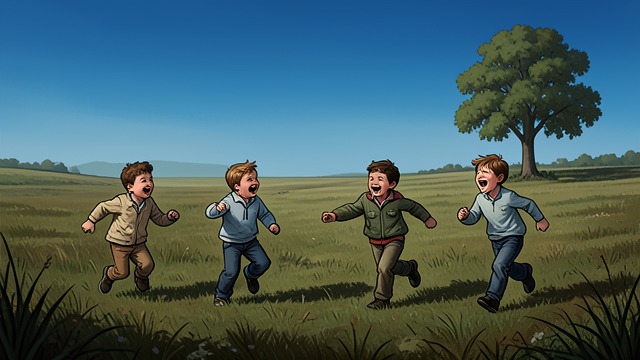
Outdoor Games
The speaker recalls days spent playing outside with companions. The memory is defined by movement, fresh air, and a lack of self-conscious burden.
Unburdened Time
There are no thoughts or regrets in this remembered period. Childhood appears as a temporary condition before social and emotional conflict acquire weight.
Shared Innocence
The children occupy the same world without rivalry. Community seems natural before later experience teaches separation.
Countryside Breeze
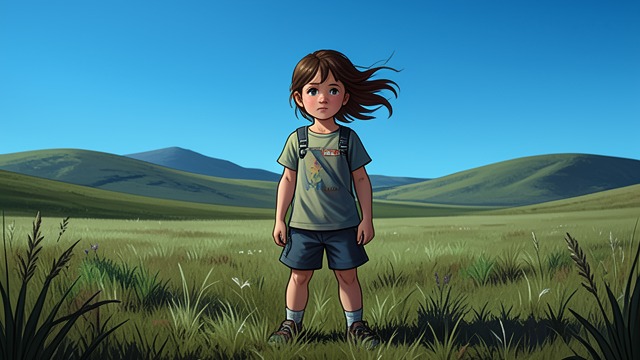
Countryside Breeze
The fresh breeze of the countryside provides the memory's dominant atmosphere. Nature functions as a sensory proof that life once felt uncomplicated.
Open Environment
The outdoor setting contrasts with the cold rooms and enclosed spaces elsewhere. Freedom is initially associated with air, distance, and unregulated movement.
Emotional Baseline
This calm memory establishes what later suffering has displaced. The speaker's present is measured against it.
Emerging Rivalry
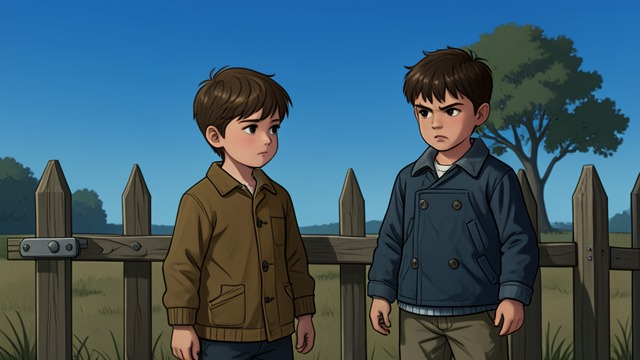
Emerging Rivalry
The speaker insists that the children once lived without hate or rivalry. The insistence implies that these forces arrived later and altered the meaning of companionship.
Lost Simplicity
The memory is shaped by contrast with adulthood. Its purity may be idealized, but that idealization records a genuine hunger for relief.
Social Intrusion
Rivalry enters as an external lesson imposed on otherwise open relationships. The child becomes vulnerable to the systems that teach comparison.
First Departure
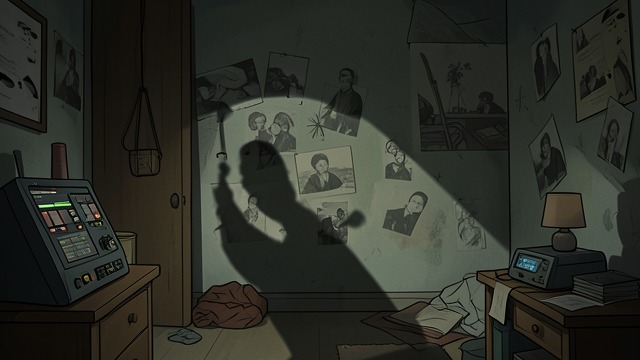
First Departure
The remembered world gives way to experiences of regret, hate, and emotional conflict. The transition is not narrated as one event but as the gradual loss of an atmosphere.
Time's Division
The speaker can still access Childhood through memory, but cannot return to it materially. Recollection becomes both refuge and proof of distance.
Unrecoverable Ease
What has been lost is not only play but the ability to inhabit the world without defensive interpretation.
Adult Echo
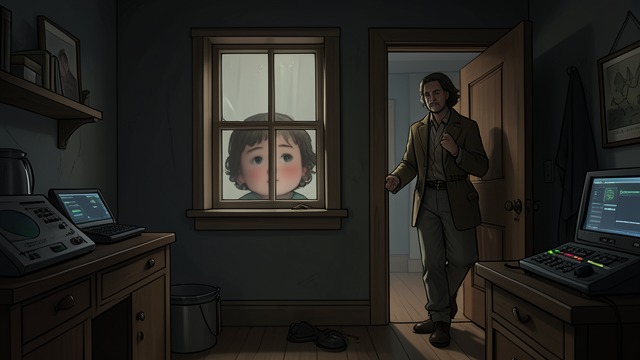
Adult Echo
Childhood survives as an echo inside later poems about fear, Love, and Survival. Its images offer a hidden standard against which the adult speaker judges present life.
Memory As Resource
The past cannot restore innocence, but it can preserve knowledge of another mode of being. That knowledge prevents despair from appearing inevitable.
Fragile Hope
The remembered breeze becomes a small source of Hope. The adult remains wounded, yet not wholly severed from the child who once moved freely.
opening of Childhood
during the remembered childhood
at the edge of remembered Childhood
after the childhood scene
near the book's ending
